A Cultural Exchange
I'm about to talk your ear off about 7th century Chinese ceramics.
October Ins and Outs
I put a pause on writing an essay to scribe this out for everyone.
ins
- re-educating myself on k-12 social studies topics
- off shoulder tops
- the Abercrombie clearance section
- trying out an SSRI
outs
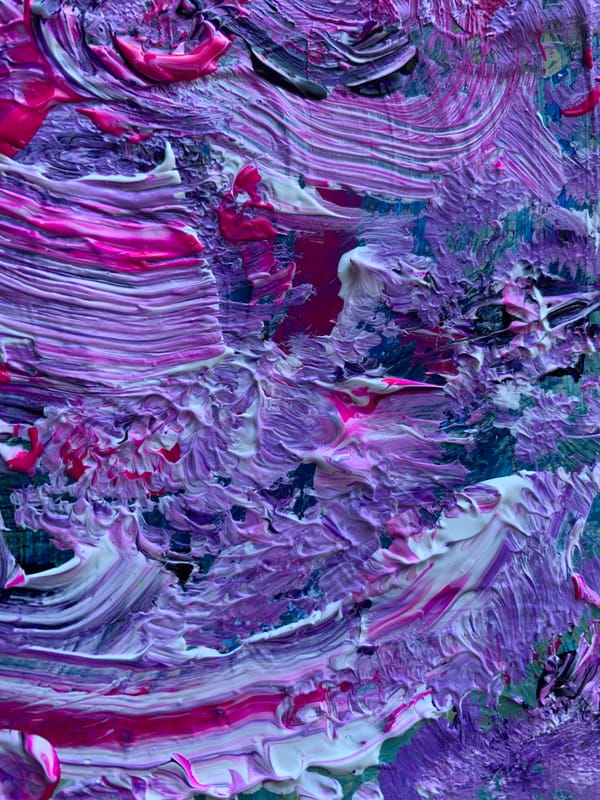
- getting neon pink paint on my kitchen table
- pretzels
- APA formatting
- not being told that SSRIs can fuck up your cycle
Ease on Down the (Silk) Road
In two of my grad school classes my semester long project is to create instructional units on topics of my choosing with coordinating age groups. For class #1 (Data-Driven Curriculum Planning) I chose 10th grade as the age and Interwar Europe as the topic, but that class is laying a lot of ground work about instructional methods and backwards design before getting into researching the actual topic and making lesson plans. Class #2 (Teaching Social Studies Methods) is much more about philosophies surrounding how to teach social studies topics and so I have been able to dive head first into learning about 7th grade and the Silk Road to create my unit.
When's the last time you thought about the Silk Road? Probably not since middle school, because if you attended any MA public school, that's when you were required to learn about it per the state curriculum standards. Lemme give you a quick reminder about some basic facts:
- The Silk Road was a series of connected trade routes spanning from Imperial China to the Mediterranean Sea (0ver 4000 total miles)
- The practice of using these routes to trade and travel spanned over 1500 years from 114 BCE to 1450 CE ((btw historians are now using BCE or "before common era" and CE "common era" as a secular alternative to BC "before Christ" and AD "anno Domini"))
- Most people think of the Silk Road being exclusively on land, but there were series of maritime routes as well that connected Southeastern Asia to the Indian peninsula and beyond
- The Silk Road is responsible for the spread of bubonic plague as rats travelled in caravans along trade routes in the 1340s and ultimately led to the Black Death in Europe
- Venetian merchant Marco Polo is widely credited as the first European to travel along the Silk Road. Though he was not actually the first, he is most well known due to the book he wrote about the experience titled Il Milione (The Travels of Marco Polo)
- The name for this network of routes was not coined until the 1800s and referred to the lucrative trade of Chinese silk to other regions
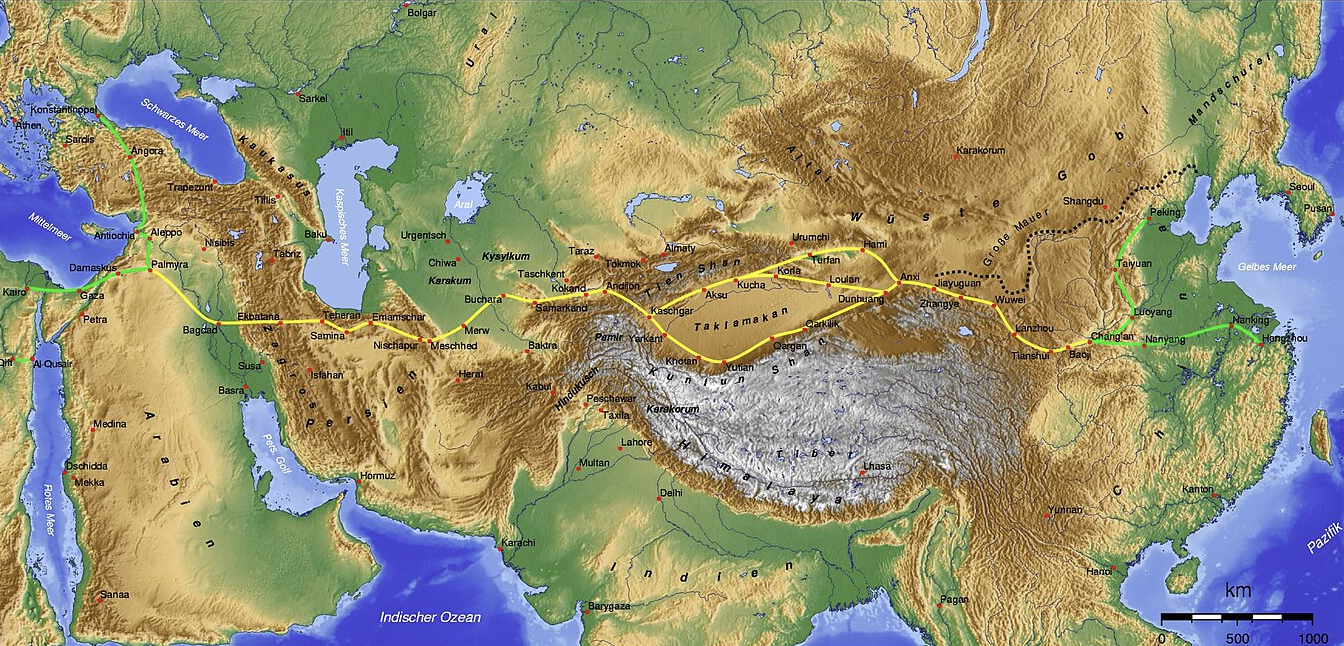
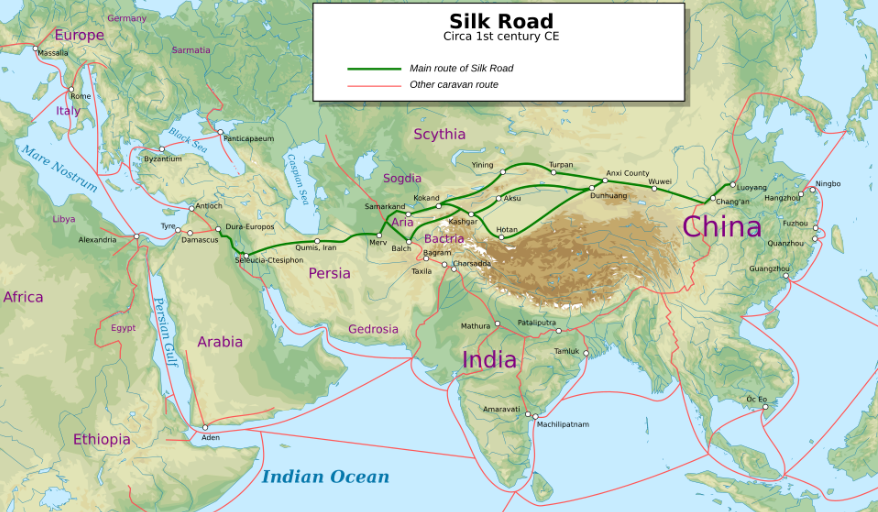
More super cool stuff: The Silk Road was responsible for the exchange of luxury goods between major empires throughout its existence. The Han Dynasty in China started the route in 114 BCE specifically to trade silk and expand its sphere of influence. But, throughout time, jade, colored glass, gold, porcelain, tea, perfumes, honey, wine, paper, and gunpowder all became highly sought after goods as they became available through established trade routes. Additionally, due to the mass movement of people along these routes and the number of cultural empires that claimed control over portions of travelled regions, the Silk Road became important for the flow of ideas and the spread of now major world religions like Islam, Judaism, and Buddhism.
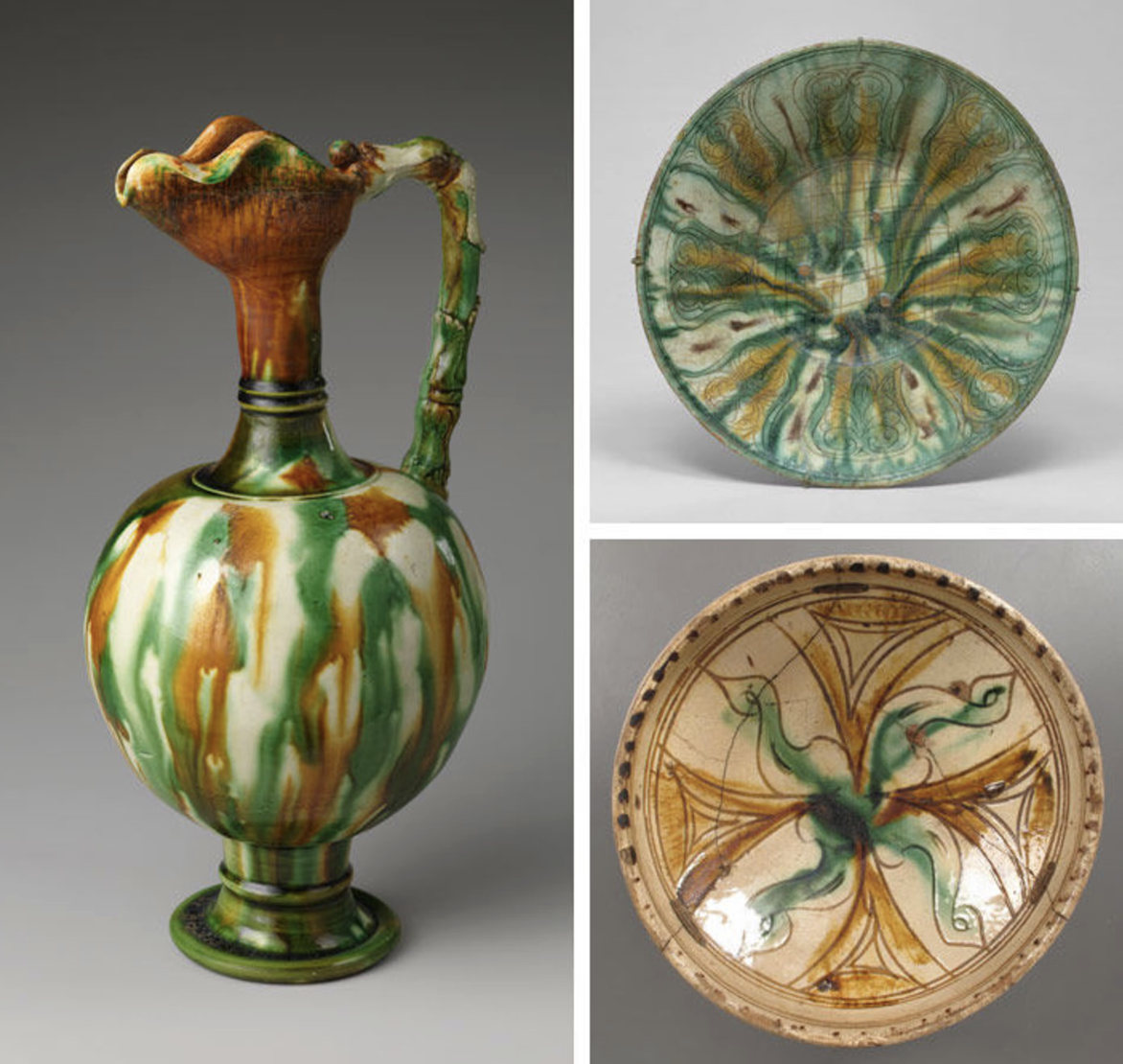
The Silk Road led to the establishment of several major cities in Central Asia including Tehran (Iran), Baghdad (Iraq), Constantinople (Istanbul, Turkey), Yerevan (Armenia), Samarkand (Uzbekistan), Bishkek (Kyrgyzstan), and Xi'an (China) to name a few. Many of these cities have endured as modern-day national capitals because of their important positions as centers for trade and cultural exchange.
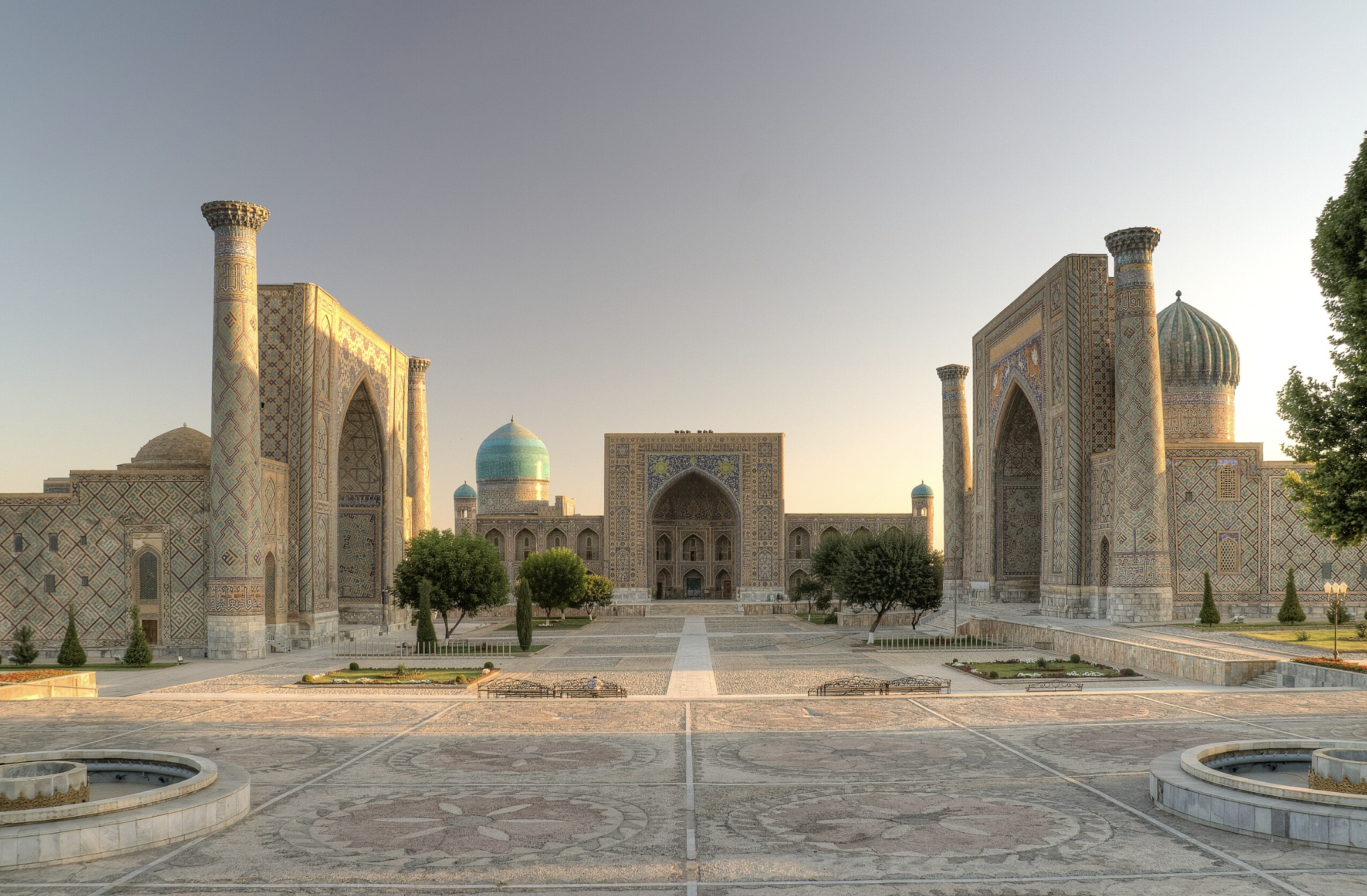
The Silk Road dissolved as a centralized trading system in the 1450s when the Ottoman Empire conquered the Byzantines during the fall of Constantinople in 1453. The Ottomans became concerned with establishing formal control over land and European powers began to seek alternate methods of trade while setting themselves up as independent global players. This marked the beginning of the "Age of Discovery" and European colonialism. Today, stretches of the former Silk Road routes have been declared UNESCO World Heritage sites and continue to serve as modern day highways and railways that connect Eurasian cities. All my infrastructure-heads can read about the Eurasian Land Bridge project and the Chinese Belt and Road Initiative.
Reading this back it does read like a textbook. Apologies. But also, isn't history so cool.
Oodles of Doodles
Some artistic endeavors from the last two weeks. I went to figure drawing at What If Boston in Somerville - which is like a queer, artist co-op apartment thing. I've been once before, it was nice to revisit. I like how these sketches came out.
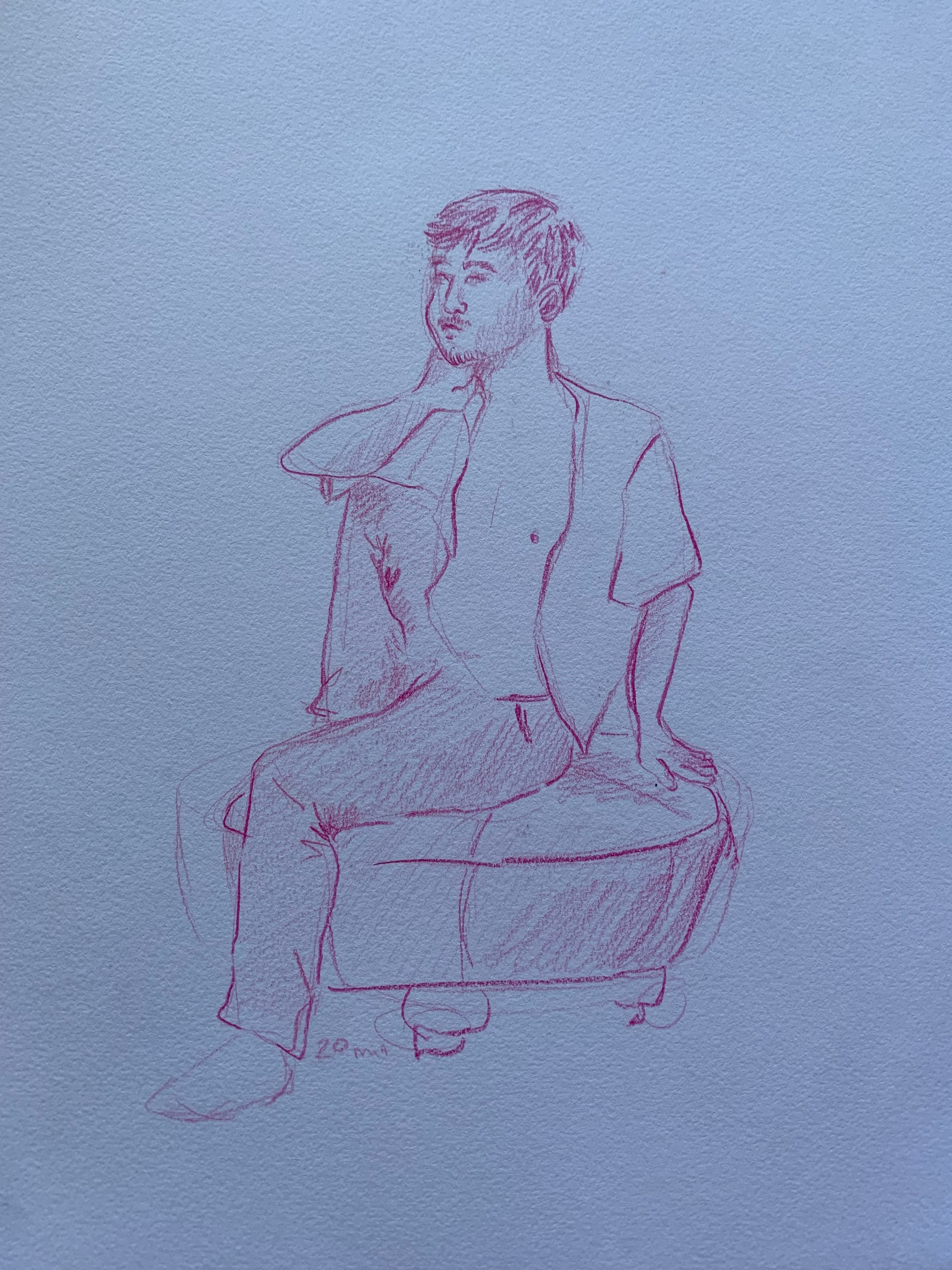
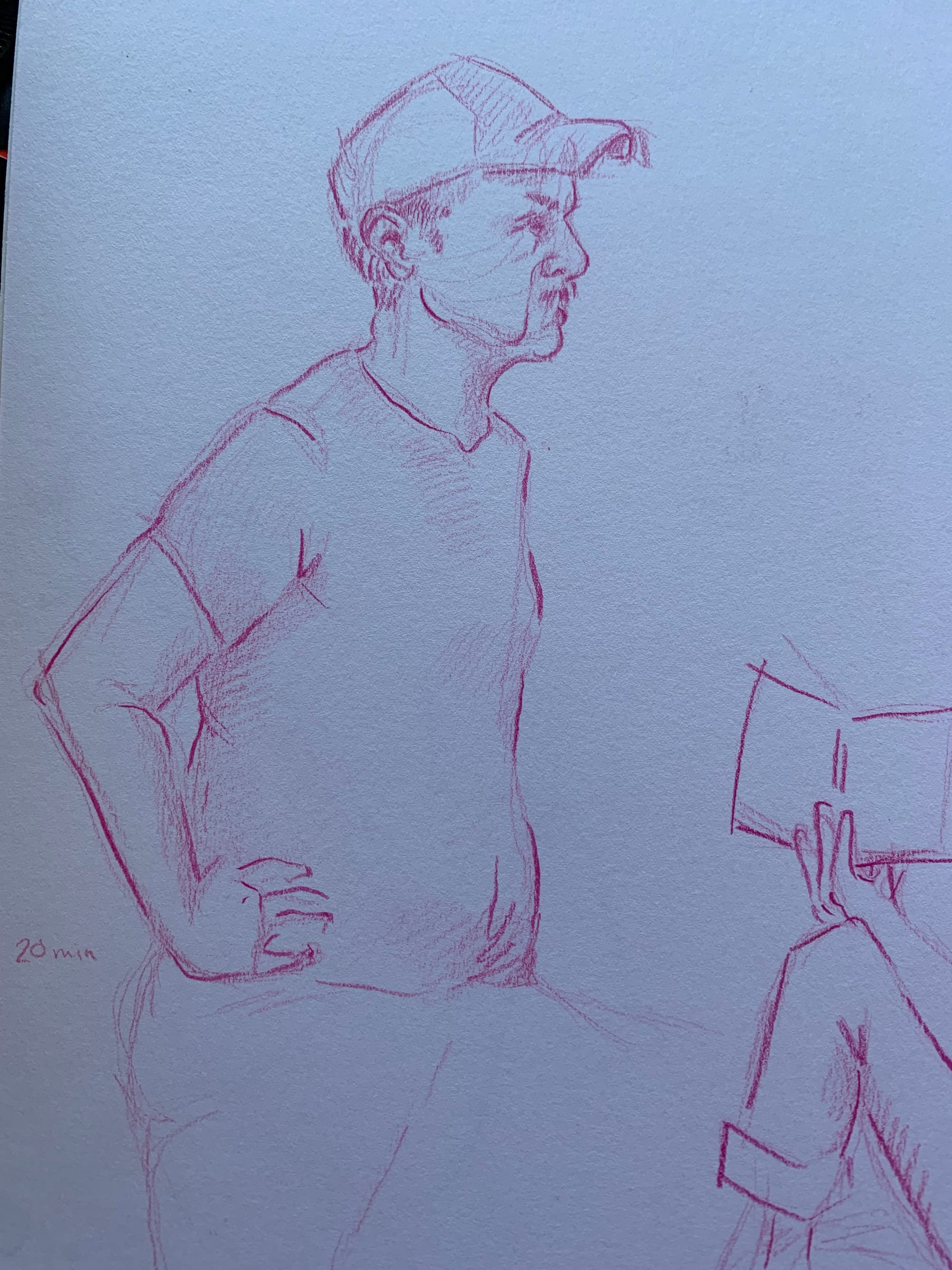
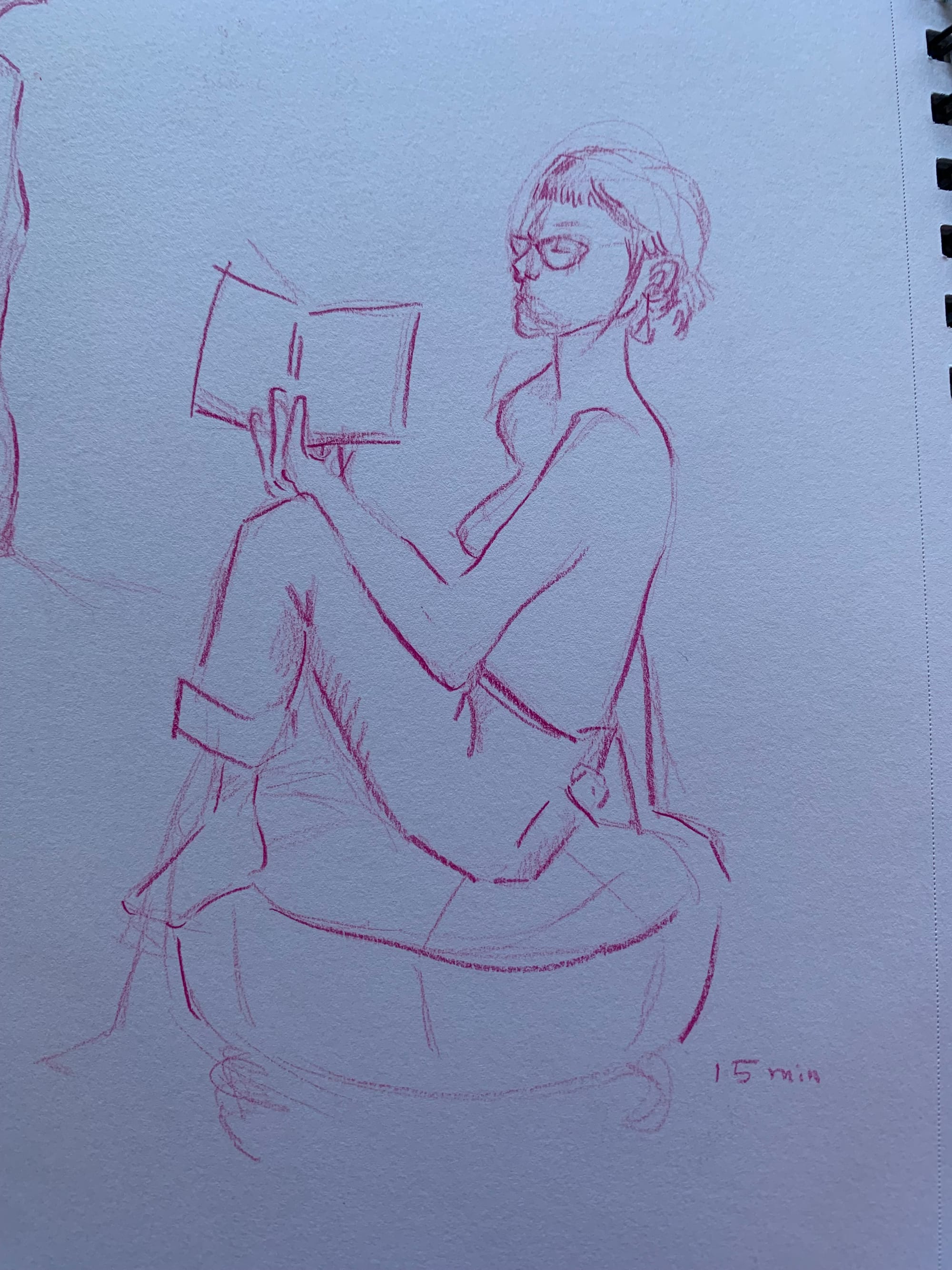
I am reminded about how difficult it is to get form and proportions right and also layer clothes on top
TTYL
reckies
a song i'm loving:
- NOT OK - 5 Seconds of Summer
a movie i watched:
- I don't think I've watched anything new so I'll recommend an all-timer: Everything Everywhere All at Once (2022)
a book i'm reading:
- I listened to all of Chain-Gang All-Stars by Nana Kwame Adjei-Brenyah on audiobook. This rocked. It was dark as hell but I loved all of the characters and was genuinely shocked by the ending.
Until Next Time!
P.S.
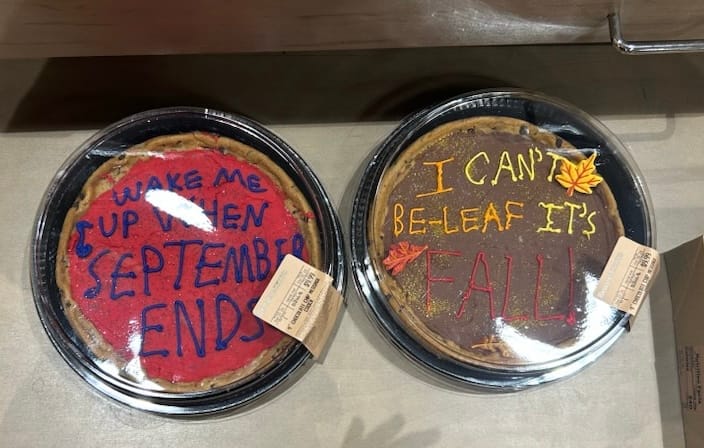
The Oracle of the Kennebunk Hannfords blesses you all for the fall season with not one but two autumnal messages.