Color Me Interested
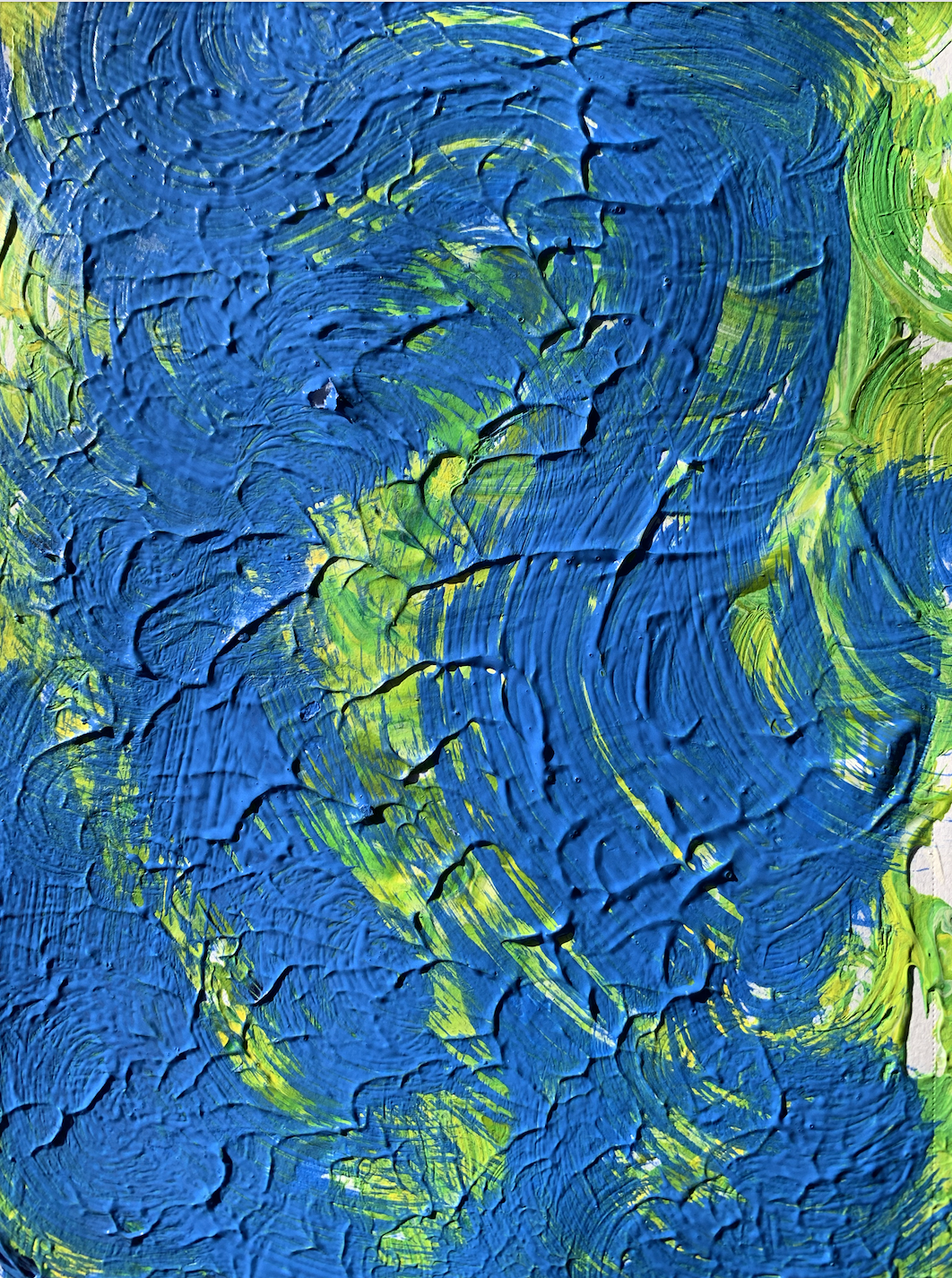
Good morning folks! A happy Friday to you and yours. This week, we're watching paint dry.
October Ins and Outs
huge news!
ins
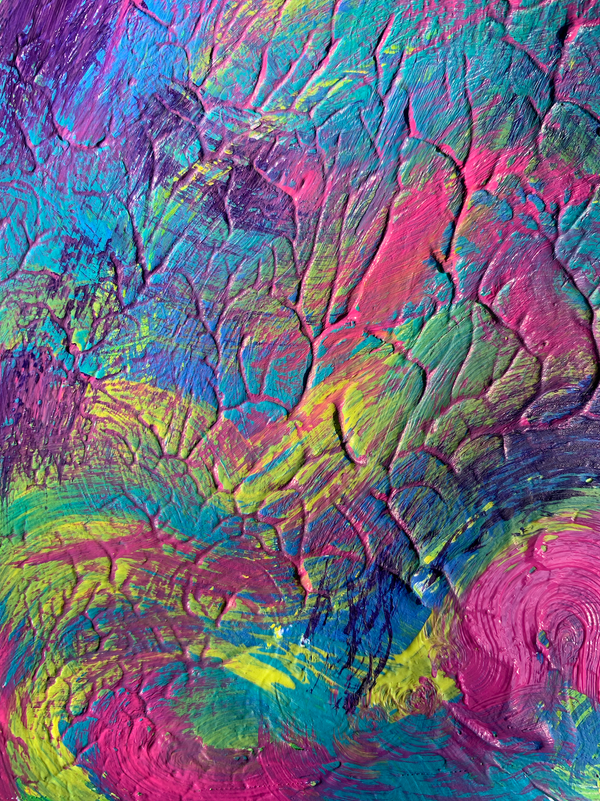
- Holbein's heavy body acrylic in color 'luminous rose'
- Autumnal nor'easters
- Iced pumpkin dirty chai lattes
- Brown mascara
outs
- There being 0 resources to study for the MTELs
- Packing a peanut free lunch
- Accidentally purchasing 'transparent mixing white' and not 'titanium white' acrylic paint
With Flying Colors
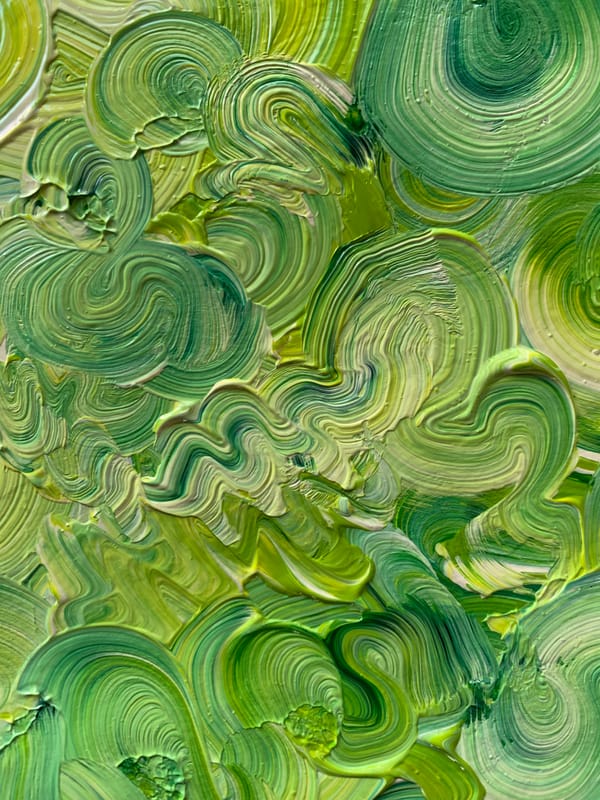
There was a big sale on paint this week at Blick and there is nothing I love more than sifting through all of the color swatches from all of the different brands and seeing what I can add or upgrade in my current paint supply. I ended up purchasing some heavy body acrylics in cerulean blue, viridian hue, and indian yellow. I felt like I remembered hearing something about indian yellow and the way it was originally produced in an art class somewhere, so I looked it up to remind myself and fell down a rabbit hole about the history of artist pigments. Now, dear readers, I will pass this information on to you all.
First, there are a couple different kinds of paint we can talk about. When discussing artist pigments, the real nasty stories are usually talking about oil paint.
- Oil paint is is pigment mixed with a plant-based drying oil (a type of oil that hardens into a solid film after long exposure to air, this is usually linseed oil) and sometimes other fillers or binders. Oil paints have been around for a very long time but gained a lot of popularity during the Italian Renaissance.
- Tempera paint was much more common among artists before the Renaissance. Versions of tempera paint made today use a water-soluble binder as the main ingredient, making it a super practical choice for kids to use. But, you can also make tempera paint by combining pigment with egg yolk to get a fast-drying medium.
- Acrylic paint is a super popular, much less toxic kind of paint that is made up of pigment, an acrylic polymer, and water. Acrylic paints were invented in the 1930s but became popularized in the '50s for their color brilliance and fast dry time.
- Watercolor paints are made of pigment, a water-soluble binder like gum arabic that helps kind of glue the pigment to the paper, water, and glycerin to help with flow. The main difference with watercolor is that it can be re-wet and manipulated even after it dries. All of the other aforementioned paint varieties cannot be re-worked once they are dried.
There are other more niche paint types like gouache and casein paint that you can give a google if you're real interested, but these guys are the main players.
A lot of pigments used nowadays are made chemically, but back in the day, pigments were collected from natural sources and ground down into a fine dust to be combined with a binder. People were truly making anything into paint - rocks, bugs, mummies, you name it people were grinding it up in a mortar and pestle.
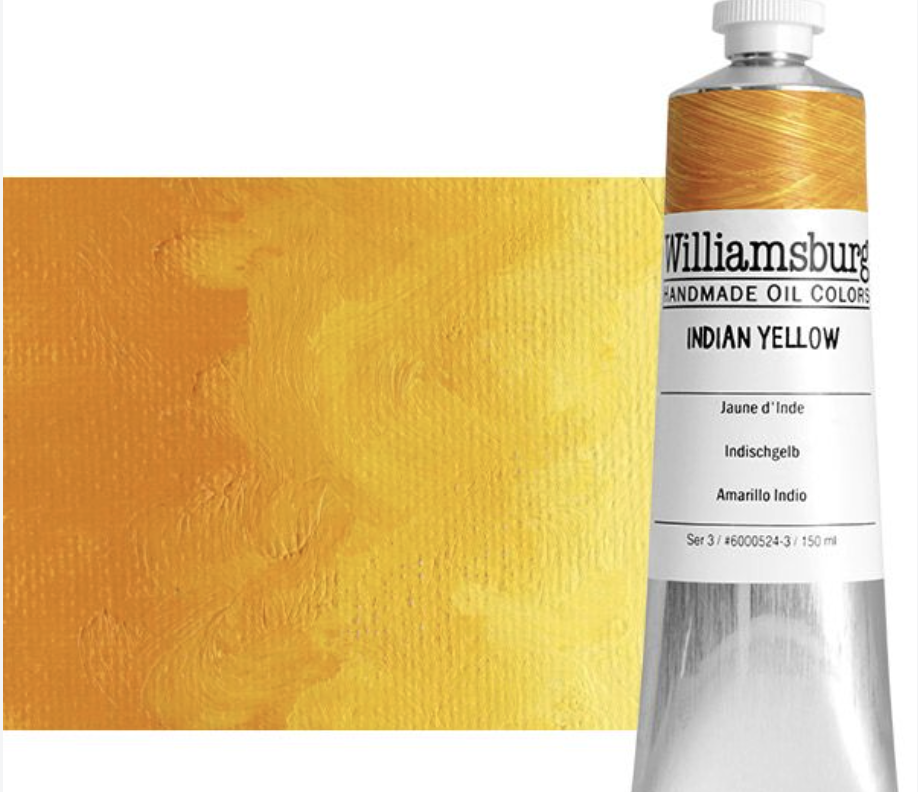
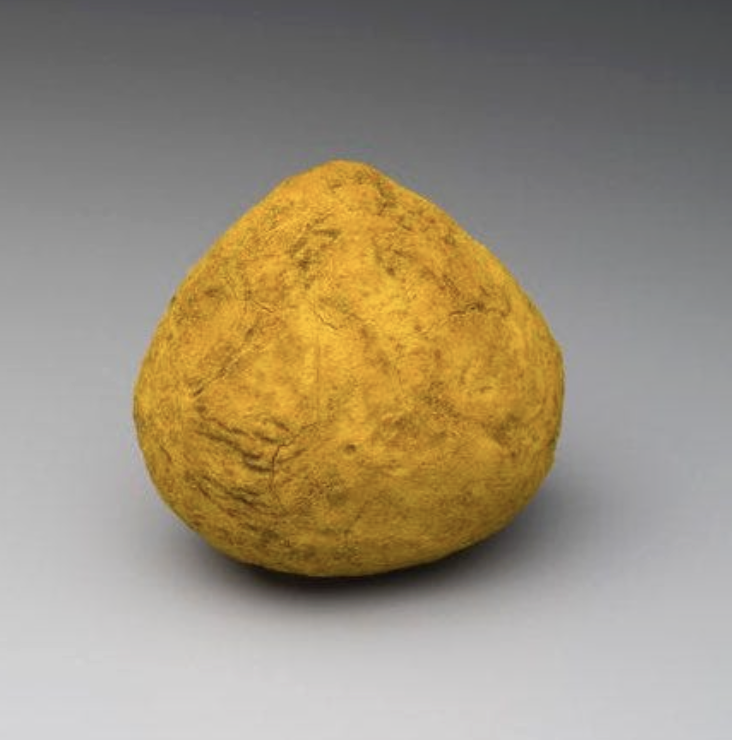
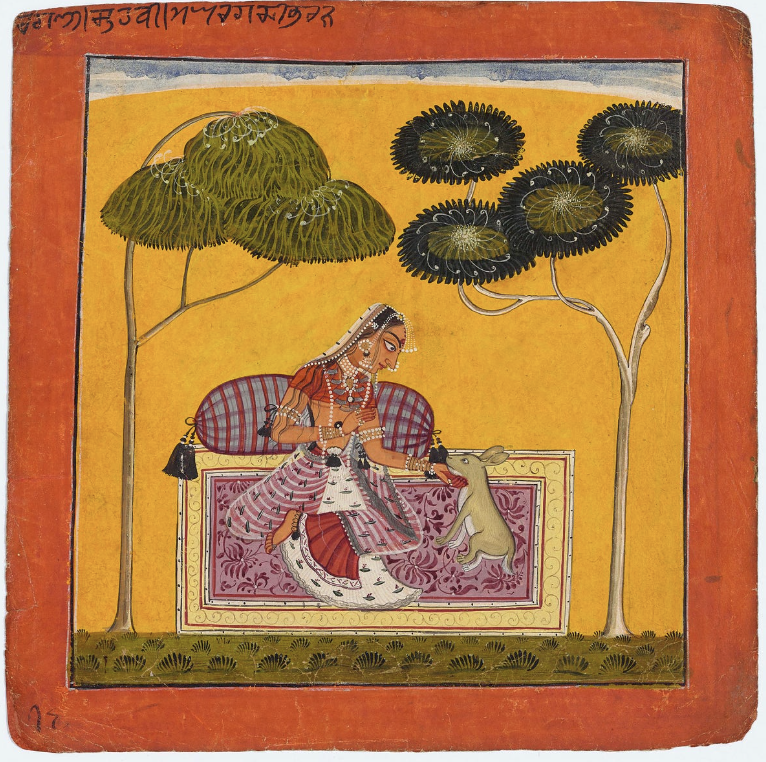
Indian Yellow - The one that piqued my interest in the first place. Indian yellow is a golden-orange color that was originally made from collecting the urine from Indian cows who had been fed mango-tree leaves. The liquid would be boiled off, leaving an intensely yellow material that would be turned into pigment. This practice became outlawed in the 1910s because the mango leaves only diet gave the cows kidney stones.
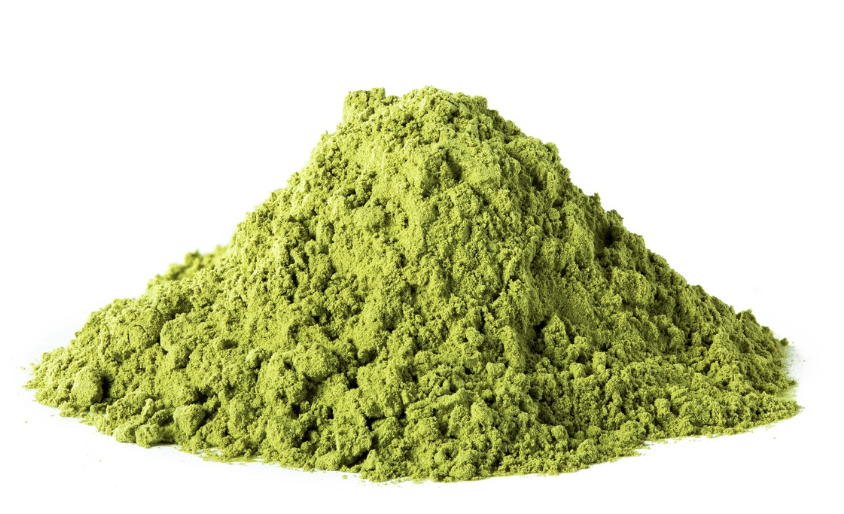
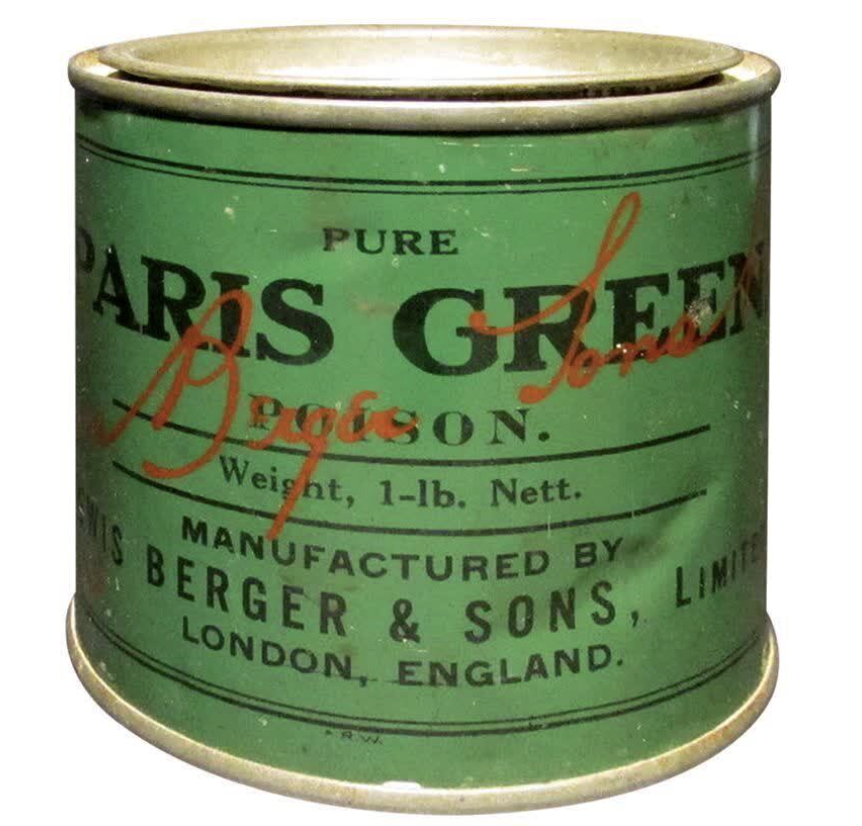
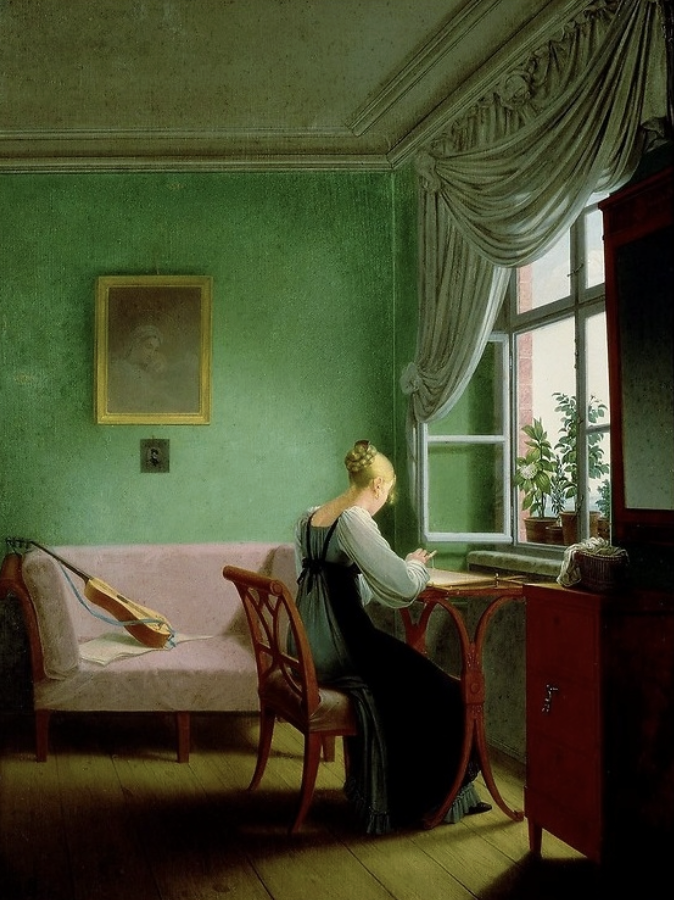
Scheele's Green/Paris Green - Created in the late 1700s by combining copper sulfate and arsenic to get an intense yellow-green color. The famously deadly color was used in all kinds of Victorian-era paints, clothing dyes, wallpapers, and food colorings for that perfect vegetal green. Napoleon Bonaparte's home during his exile in St. Helena was covered wall to wall in Scheele's Green wallpaper, which is theorized to have contributed to his chronic illness and death.
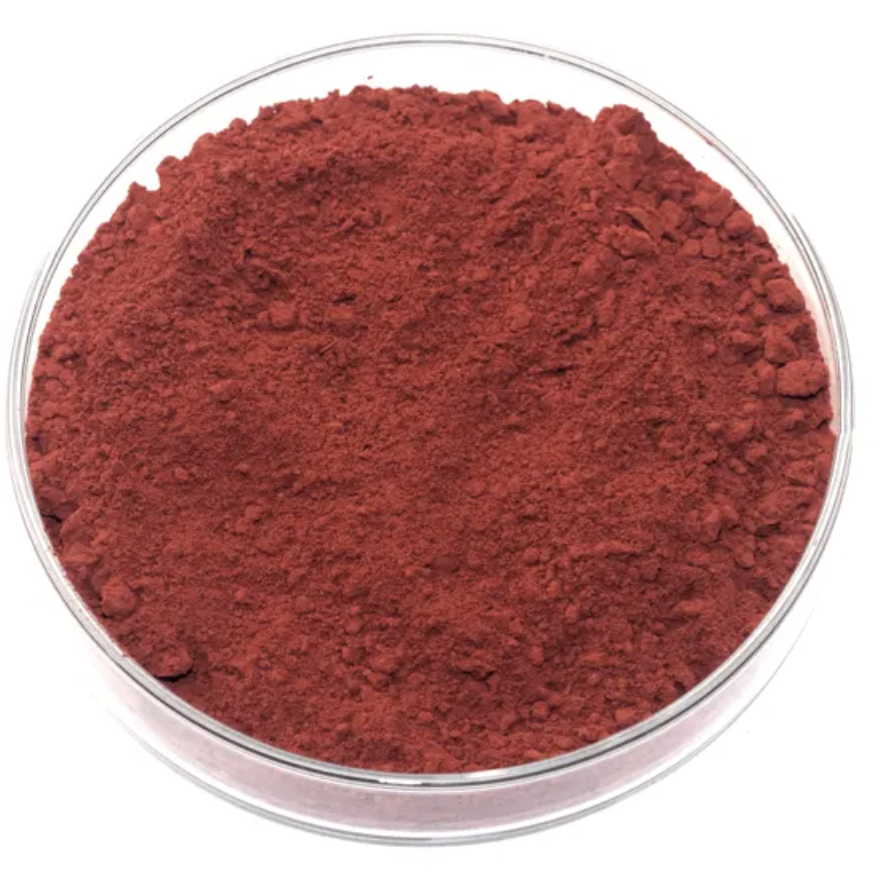
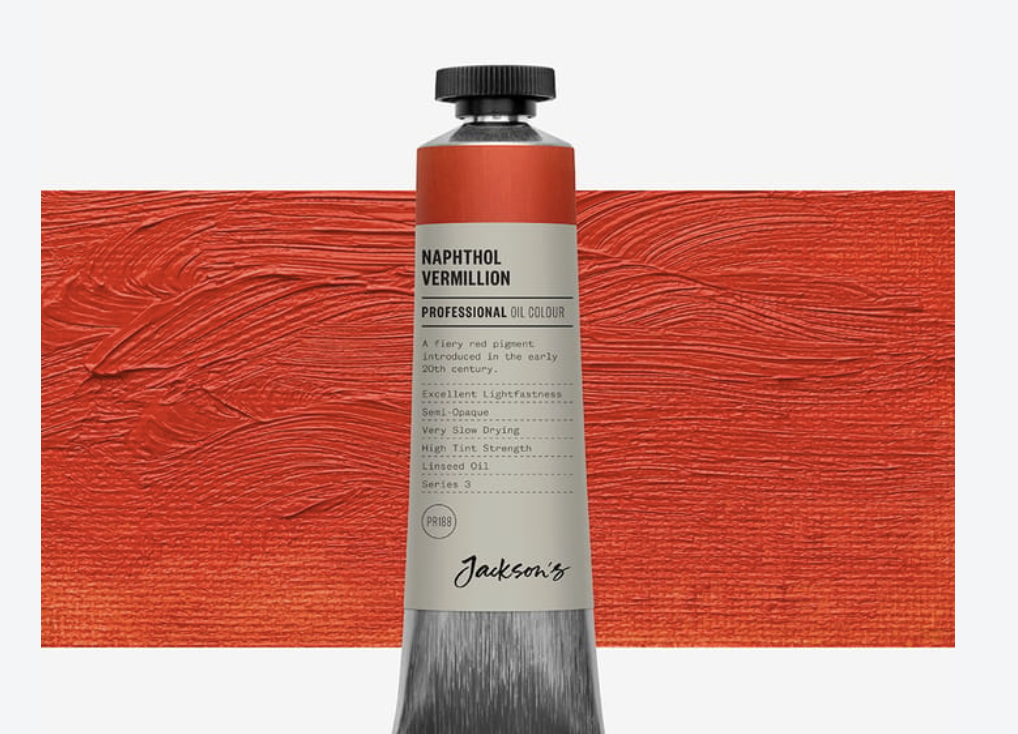
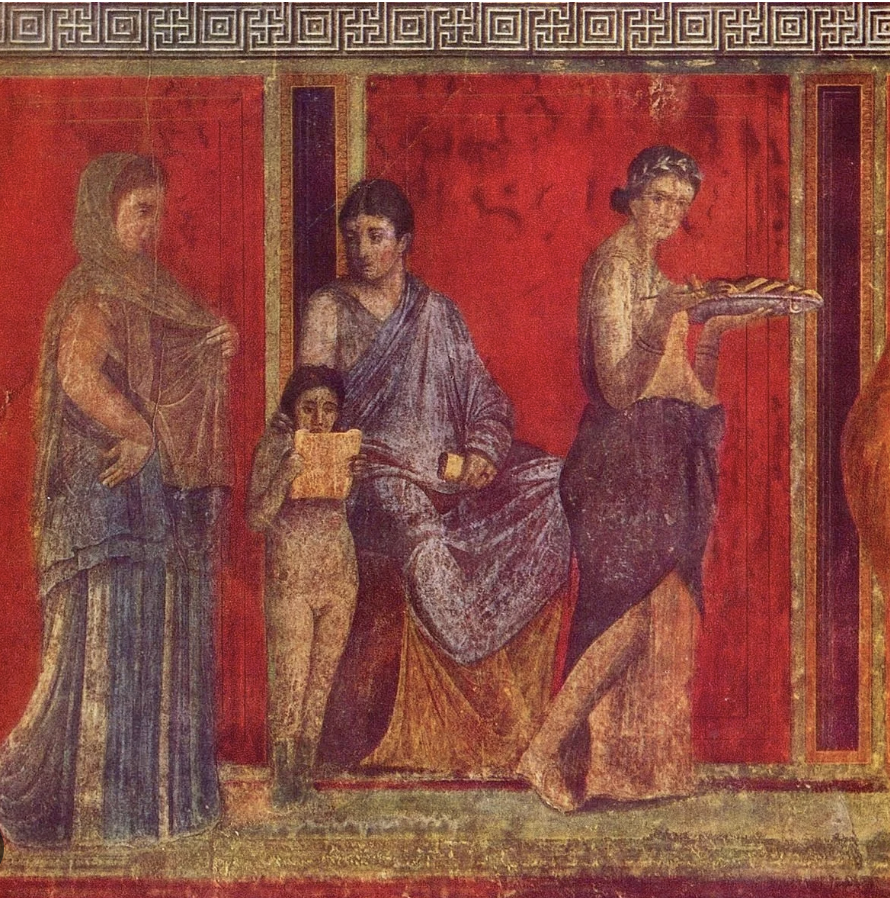
Vermillion - A super bright and recognizable orangey-red, vermillion has been used across the globe for thousands of years. From ancient China to the Roman Empire, vermillion is traditionally made by grinding the mineral cinnabar into a fine powder. Cinnabar ore contains high levels of mercury, making this paint highly toxic.
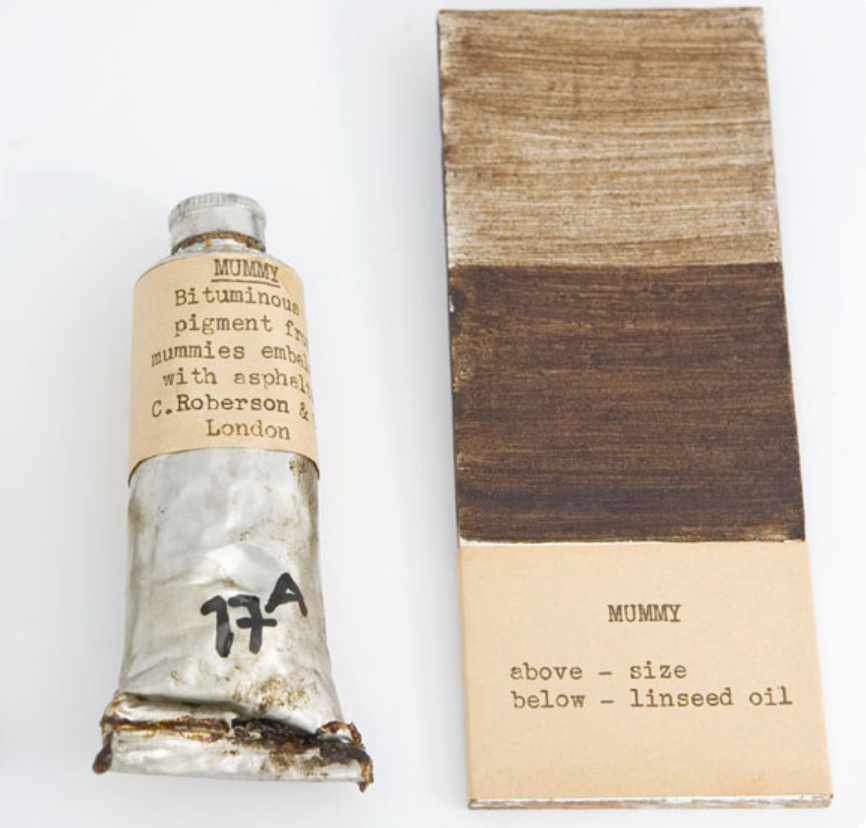
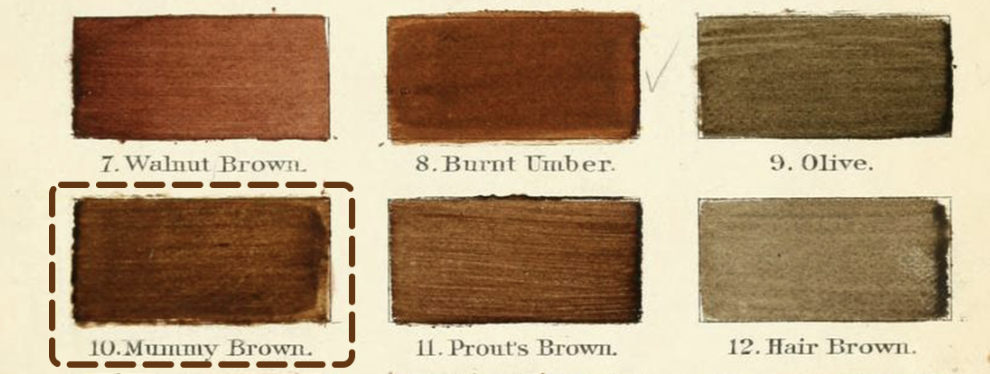
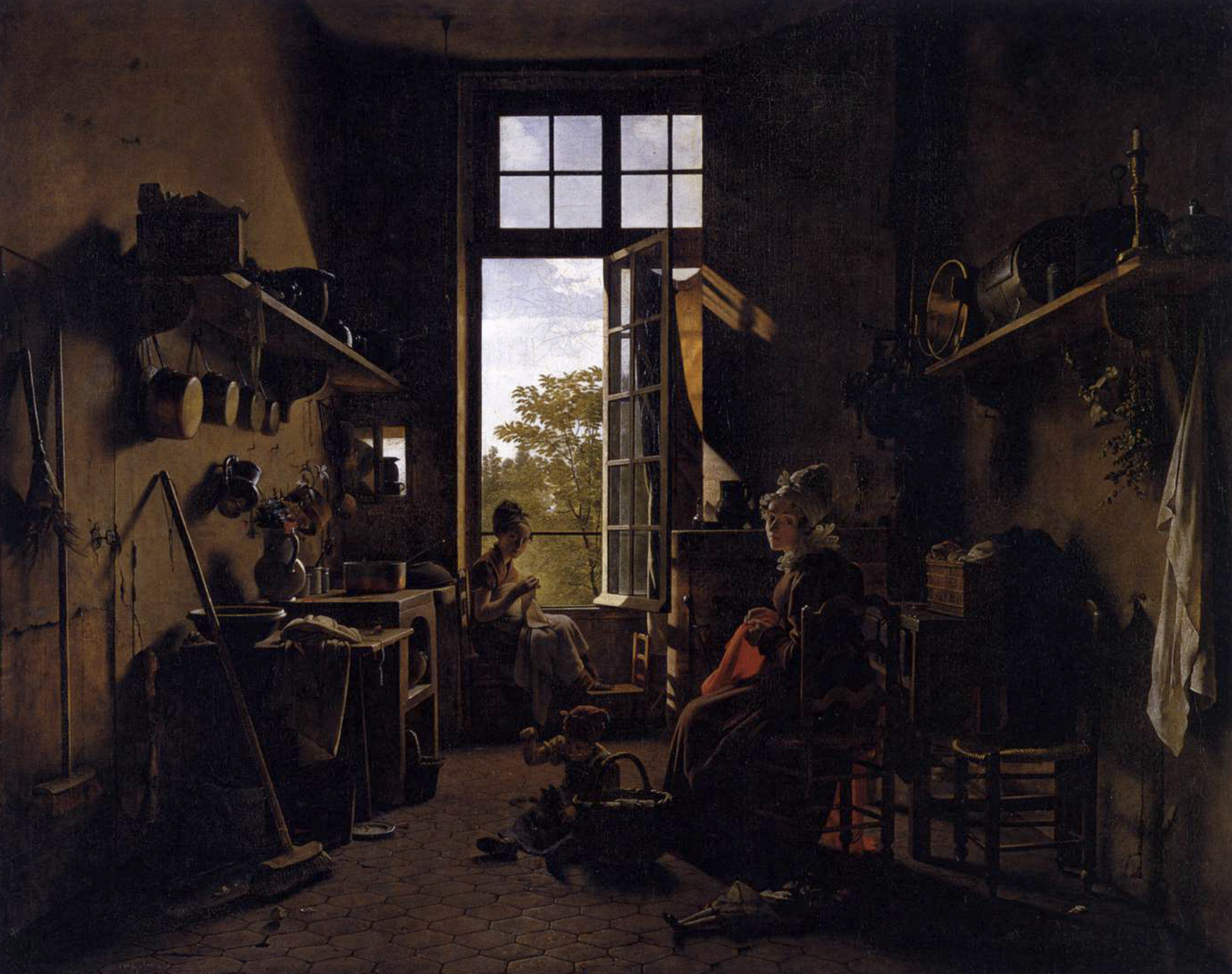
Mummy Brown/Egyptian Brown - Exactly as it sounds. This paint was highly sought after during the mid-1800s through the turn of the century and was literally made from stealing pieces of mummy remains and grinding them into a pigment. Sometimes, the demand for this color would exceed the availability of mummies, and so makers would supplement with any old corpse they could find.
Those are some of my favs I learned about. Everyone is required to tell me their favorite color in the comments.
Bye!
recs
2 song(s) i'm loving:
- MacArthur Park by Donna Summer
2 movie(s) i watched:
- I Saw the TV Glow (2024) 4.5/5 stars. Much stronger concept and execution from Ms. Schoenbrun than Camp Miasma. Shocked to discover that these two movies had the exact same budget though.
- Primetime (2026) 4.5/5 as well. This rocked. R.Patt should get an Oscar nom for this impression and the lighting/cinematography was so cool.
a book i'm reading:
- Fruit Fly by Josh Silver
Until Next Time!
P.S.
The Oracle has been making apt observations about the rampant individualism that plagues our society. While we may want to engage in hermetic tendencies as the season moves into shorter, colder days, The Oracle asks us to consider if we can use our isolation to create something that brings joy and community to others.